
RSVP Wording: Exactly What to Write, Whether You're Hosting or Replying
RSVP wording trips up both sides: hosts worry about sounding pushy, and guests freeze over how to politely decline. This guide gives you copy-paste lines for asking, accepting, declining, handling plus-ones and meals, and chasing the people who go quiet.
How to Word the RSVP Request (For Hosts)
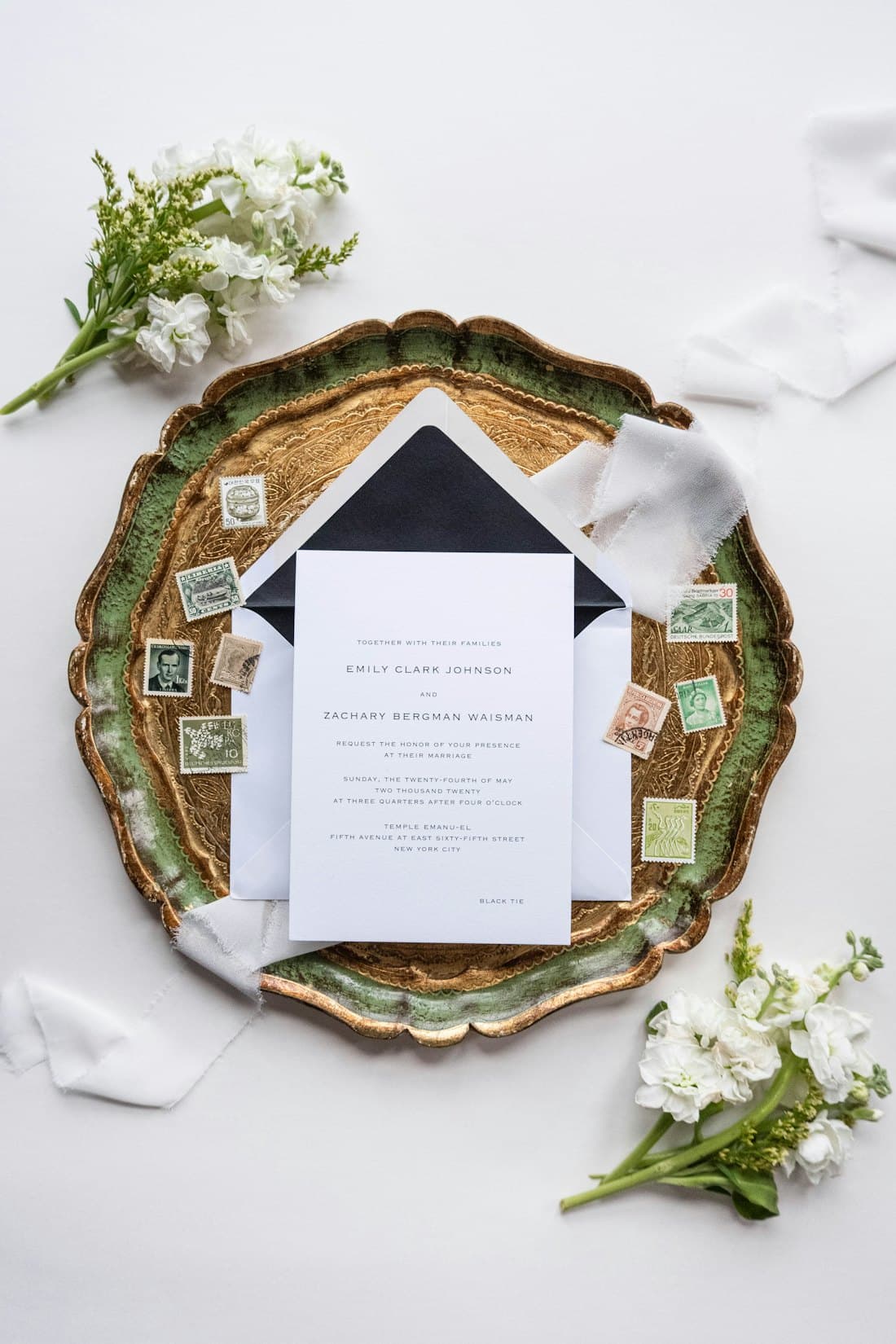
Your invitation needs three things: the word RSVP, how to respond, and a deadline. Be warm but unambiguous. Drop-in lines: "Kindly reply by August 15." "RSVP by August 15 — we can't wait to celebrate with you." "Please let us know if you can join us by the 15th of August." For formal cards: "The favour of a reply is requested by the fifteenth of August." Always set the deadline three to four weeks before the event so you have time to finalize catering and seating. State exactly how to respond (link, card, phone) and avoid vague phrasing like "let us know soon," which guarantees stragglers and a stressful final week.
Wording for Online & Digital RSVPs
Digital RSVPs collapse the entire process into one tap, so your wording just needs to point guests to the button. Try: "RSVP online by August 15 — tap the link to let us know" or "Respond in seconds at the link below." If you built an animated invite in Occavia, guests open the link, hit Attending or Can't Make It, and your headcount updates automatically, no spreadsheet required. Add a friendly nudge for extras: "You'll be able to note your meal choice and any dietary needs there too." Keep it to one clear call to action; multiple reply methods (link plus phone plus email) splinter your responses and create double-counting.
How Guests Politely Accept
Accepting is easy, but a warm reply is a small gift to the hosts. For a digital RSVP, click Attending and add a line if there's a note field: "Wouldn't miss it — so happy for you both!" For a written reply card: "_x_ accepts with pleasure." For a text or message: "We'd love to come! Count both of us in. Thank you for including us." If you're confirming a plus-one or kids, say so explicitly: "Mark and I will both be there." Reply as soon as you know rather than waiting for the deadline; early yeses make the hosts' planning dramatically easier and signal genuine enthusiasm.
How Guests Politely Decline
A graceful no is short, warm, and free of over-explaining. You owe the hosts a clear answer, not a justification. Copy-ready lines: "Thank you so much for the invitation. We're so sorry we can't make it, but we'll be celebrating you from afar." "Sadly we won't be able to join, but we are so happy for you both. Sending all our love." "We're heartbroken to miss it. Wishing you a beautiful day." For formal cards: "_x_ regrets that they are unable to attend." Skip the long backstory; "a prior commitment" is enough if you mention a reason at all. Decline promptly so the host can offer your seat to someone else.
Plus-Ones, Meal Choices & Dietary Notes
Clarity here prevents the most common RSVP headaches. Hosts should make invitations explicit: address the envelope or digital invite to named guests, and add "We have reserved __ seat(s) in your honor" so people know exactly who's invited. For meals: "Please select chicken, salmon, or vegetarian when you RSVP." For dietary needs: "Let us know about any allergies or dietary restrictions." Guests should respond precisely: "Two attending — one salmon, one vegetarian. I have a nut allergy, thank you." Never assume a plus-one if the invite doesn't offer one. If you're unsure whether children are included, ask the host directly rather than showing up with extras.
Follow-Up & Reminder Wording for Non-Responders
Some guests will go silent; a kind nudge is expected, not rude. Wait until a few days after your deadline, then send a light, personal message: "Hi Sarah! Just making sure our invite didn't get lost — we'd love to know if you can join us on the 12th. RSVP here whenever you get a sec." "Hi! Finalizing our headcount this week — can you let us know if you'll be there? No worries either way." Keep it one-to-one rather than a guilt-laden group blast. Digital invites make this painless: you can see exactly who hasn't opened the link and message only them. One reminder is plenty; if there's still no reply, count them as a polite no.
Frequently asked questions
What does RSVP actually mean?
RSVP comes from the French "répondez s'il vous plaît," meaning "please respond." It asks every guest to confirm whether they will attend, regardless of their answer. Even if you can't come, you're expected to reply so the hosts know their final headcount for catering, seating, and budget.
How do you politely decline an invitation?
Keep it short, warm, and prompt. Thank the host, say clearly that you can't attend, and add a kind wish: "Thank you for the invitation — we're so sorry to miss it and wish you a wonderful day." You don't owe a detailed reason; over-explaining often feels more awkward than a simple, gracious no.
When should the RSVP deadline be?
Set your RSVP deadline three to four weeks before the event. That gives the caterer and venue enough lead time for final numbers, and leaves you room to chase non-responders before locking in the headcount. For destination weddings, push the deadline earlier so guests can book travel.
Can you assume you get a plus-one?
No. Only bring a guest if the invitation explicitly includes one, shown by "and guest" or by addressing your partner by name. If it's unclear, ask the host directly rather than assuming. Showing up with an uninvited plus-one strains the seating chart and budget, and puts the host in an uncomfortable spot.